Basic obedience

Hund liegt auf der Decke

"Stay" Exercise During Visits – Relaxation for Dogs and People
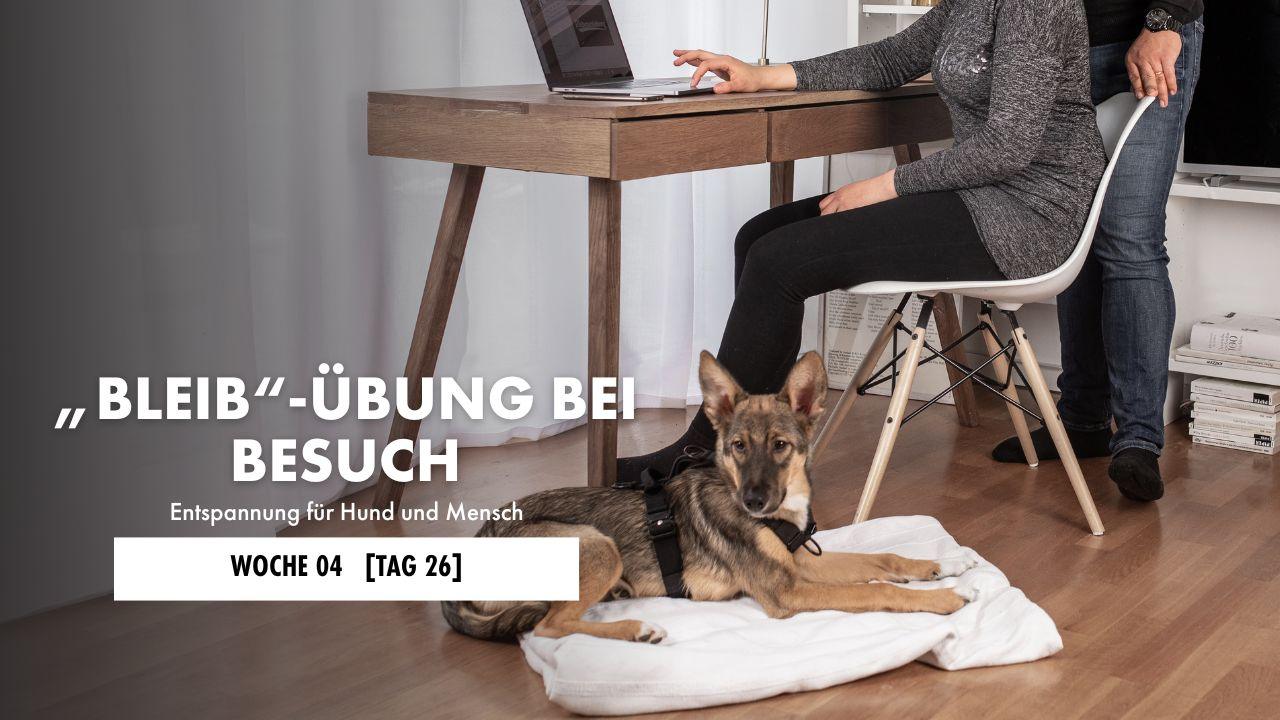
Dogs often react to visitors, whether through territorial behaviour or great joy. With the "stay" exercise, you can teach your dog to stay calm even when the doorbell rings or visitors come into the house. In this blog, we explain how to use the "stay" signal specifically in visitor situations and how your dog learns to respect boundaries without overreacting. This method is ideal for a more relaxed everyday life.

Read moreabout "Stay" Exercise During Visits – Relaxation for Dogs and People

Hund liegt auf der Decke

Combined Training: “Sit” & “Stay” – Greater Control Through Signal Combination
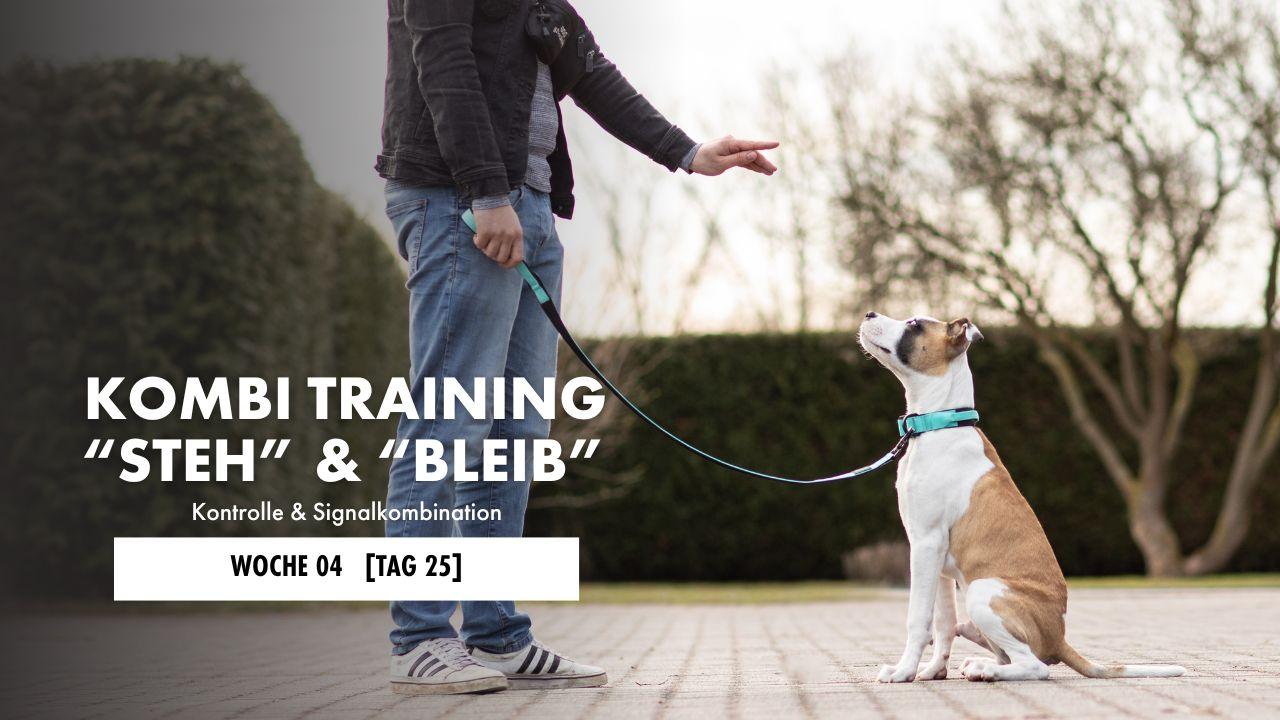
The combination of the "stand" and "stay" signals is an effective exercise that helps you to guide your dog safely and in a controlled manner in everyday life. This exercise promotes your dog's signal control, strengthens his impulse control and ensures that he listens to your instructions even in difficult situations. In this blog, you will find out how you can vary the combination training and make it motivating so that you don't miss out on the fun while learning.

Read moreabout Combined Training: “Sit” & “Stay” – Greater Control Through Signal Combination

Hund liegt auf der Decke

“Stay” – Staying Calm Through Targeted Impulse Control
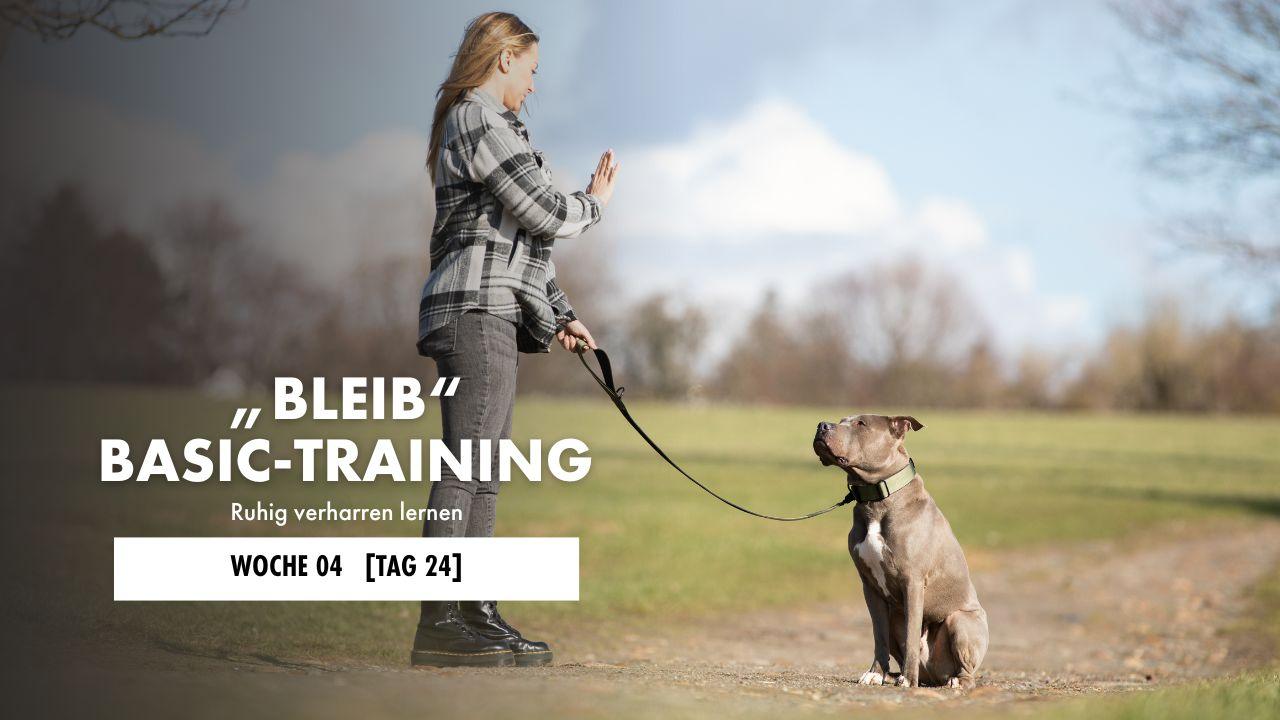
The "stay" signal is an essential exercise to help you control your dog in everyday life and help him stay calm in exciting moments. Whether welcoming visitors or waiting at the front door - the "stay" signal ensures that your dog is aware of the situation without interfering directly. Frustration tolerance and impulse control are particularly important here and are supported by regular training, such as the Protocol for Relaxation.

Read moreabout “Stay” – Staying Calm Through Targeted Impulse Control

Hund liegt auf der Decke

“Stay” with a hand signal – How to effectively get your dog’s attention
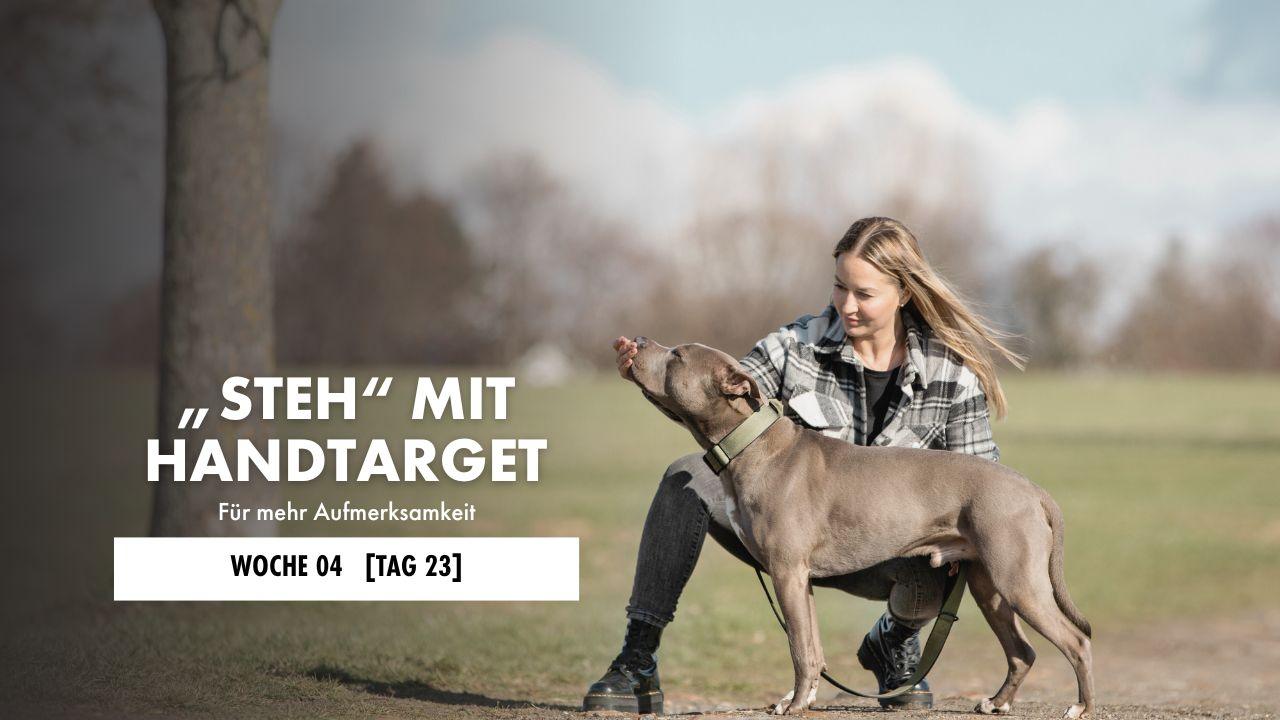
The "Stand" signal combined with a hand target is a valuable aid to keep your dog calm and orientated in various situations. Whether at the vet, on public transport or during grooming - the hand target ensures that your dog remains calm and focussed on you. Find out how you can integrate the hand target into your training and make everyday life with your dog more relaxed.

Read moreabout “Stay” with a hand signal – How to effectively get your dog’s attention

Hund liegt auf der Decke

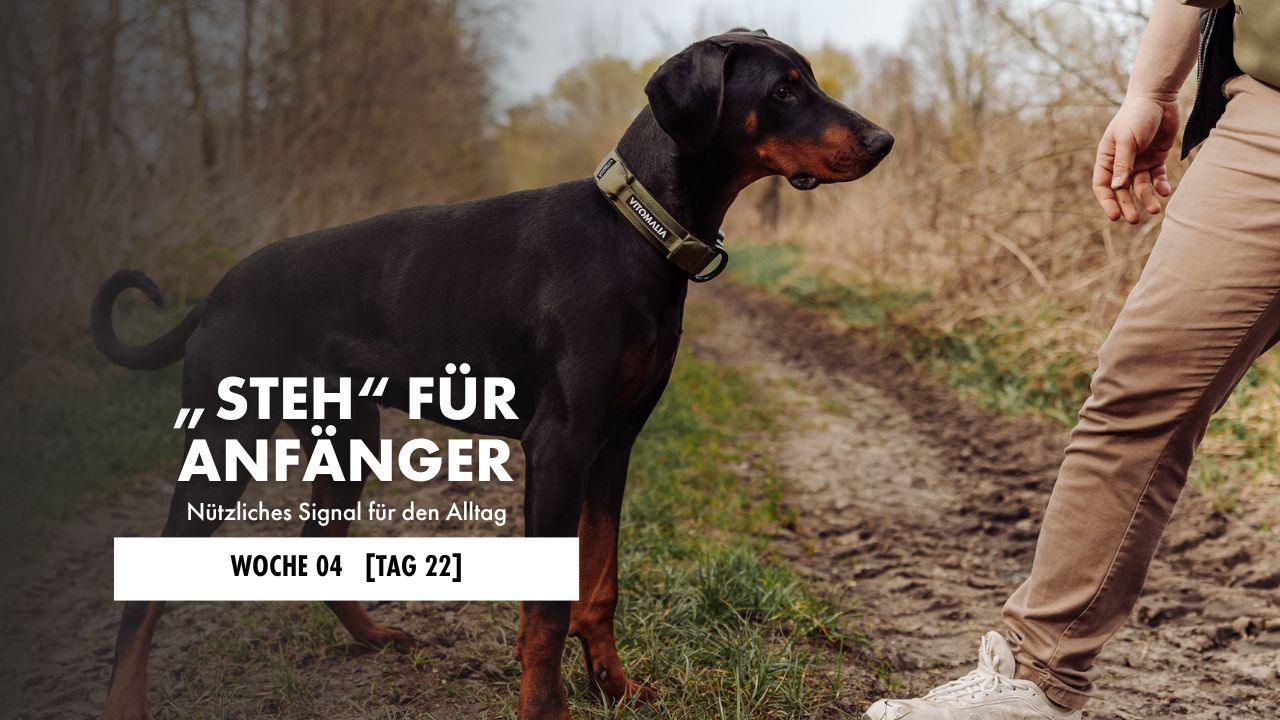
“Stay” for Beginners – A Useful Command for Your Dog’s Daily Life
The "stand" signal may not be one of the most common commands, but it plays an important role in your dog's everyday life. Especially during examinations, grooming or when putting on a Harness and Leash, the "stand" can provide more calm and control. In this blog, you will find out how to teach your dog to "stand" and why it can be a valuable signal in everyday life.

Read moreabout “Stay” for Beginners – A Useful Command for Your Dog’s Daily Life

Hund liegt auf der Decke

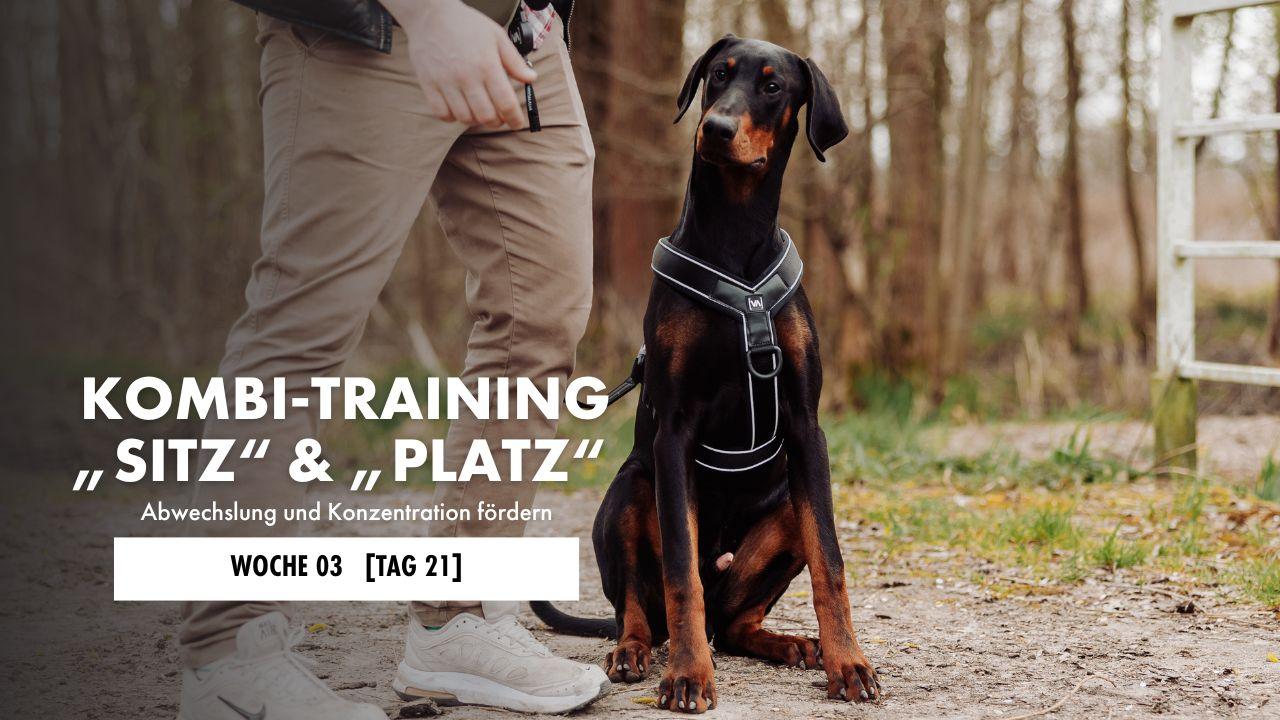
Combined Training: "Sit" & "Down" – Adding Variety and Focus to Your Training
In "sit" and "down" combination training, your dog is required to switch back and forth between the two signals. The training requires a lot of concentration and provides variety in your training sessions. Keep the sessions short and entertaining to keep your dog motivated. Games, rewards and fun take centre stage - this makes signal control effective and fun!

Read moreabout Combined Training: "Sit" & "Down" – Adding Variety and Focus to Your Training

Hund liegt auf der Decke

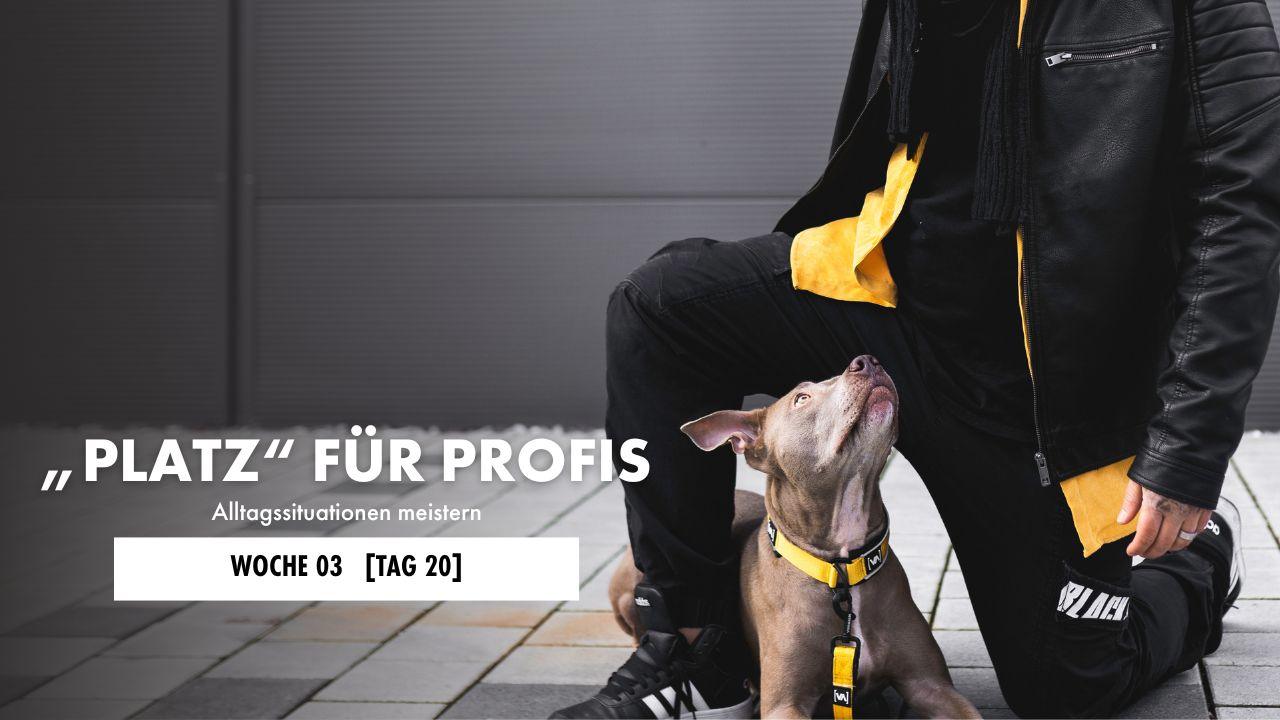
"Stay" for Pros – How to Keep Your Dog Calm in Any Situation
A perfect "down" requires more than just lying down. In advanced training, your dog must remain calm and composed in challenging situations, such as in a café or in the park. In this blog, you will learn how to gradually optimise the "down" signal to teach your dog to stay even in the face of strong distractions. Create milestones and increase the training systematically - your free training plan is waiting!

Read moreabout "Stay" for Pros – How to Keep Your Dog Calm in Any Situation

Hund liegt auf der Decke

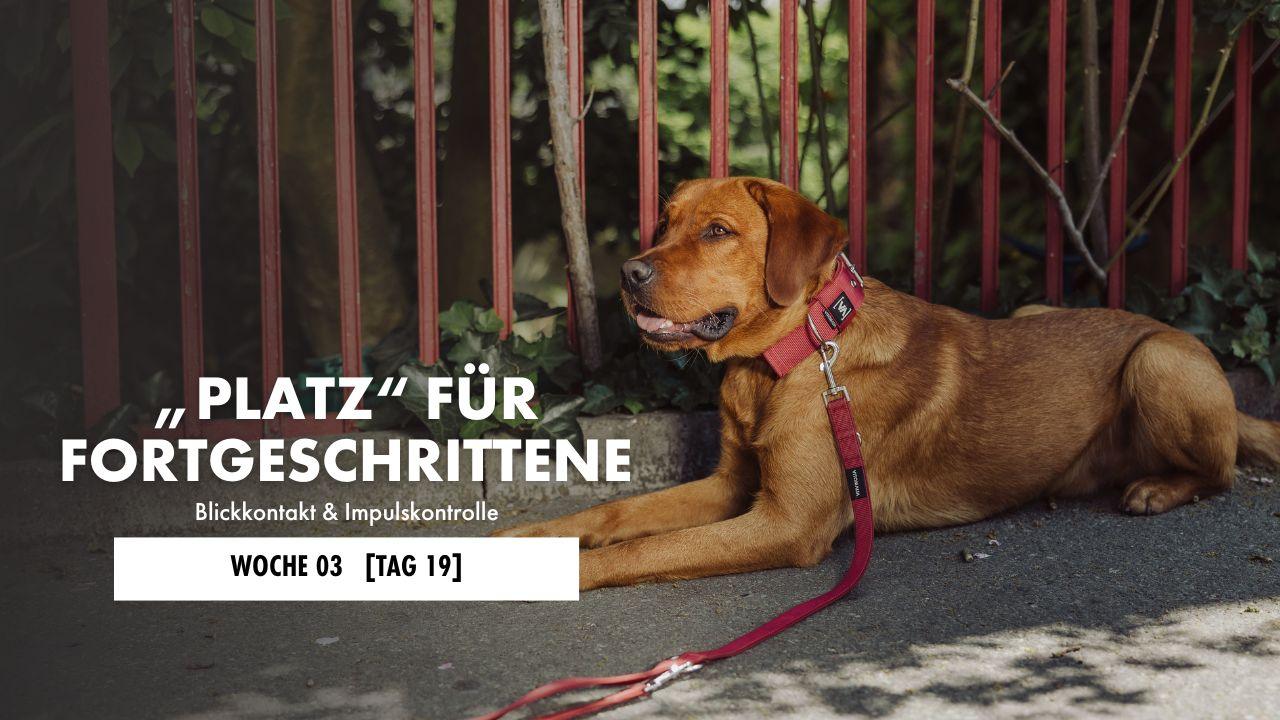
"Stay" for Advanced Dogs – Perfecting Eye Contact and Impulse Control
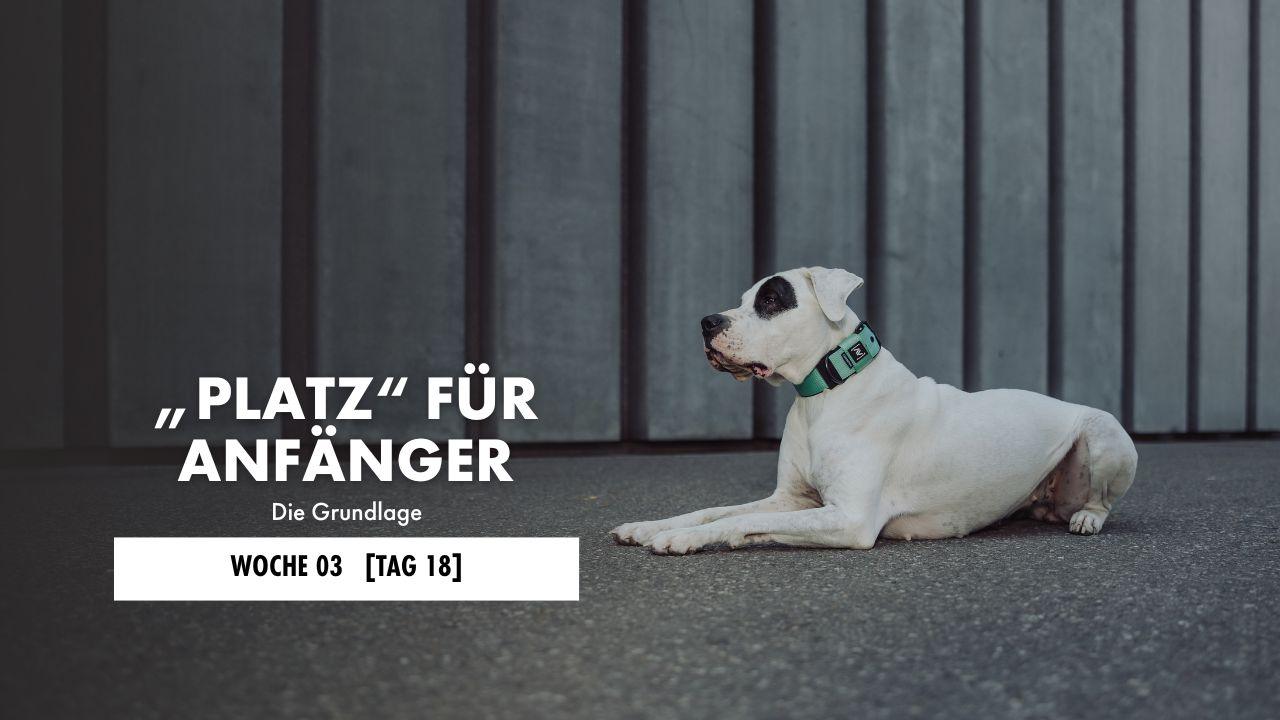
The "down" signal can be further optimised through targeted training by teaching your dog to stay down and maintain eye contact. This advanced exercise strengthens your dog's impulse control and helps you maintain more control in distracting situations. The Protocol for Relaxation provides additional support to teach the dog to stay calm and not give in to the impulse to follow you.

Read moreabout "Stay" for Advanced Dogs – Perfecting Eye Contact and Impulse Control

Hund liegt auf der Decke

"Space" for Beginners – The Foundation for Calm and Control
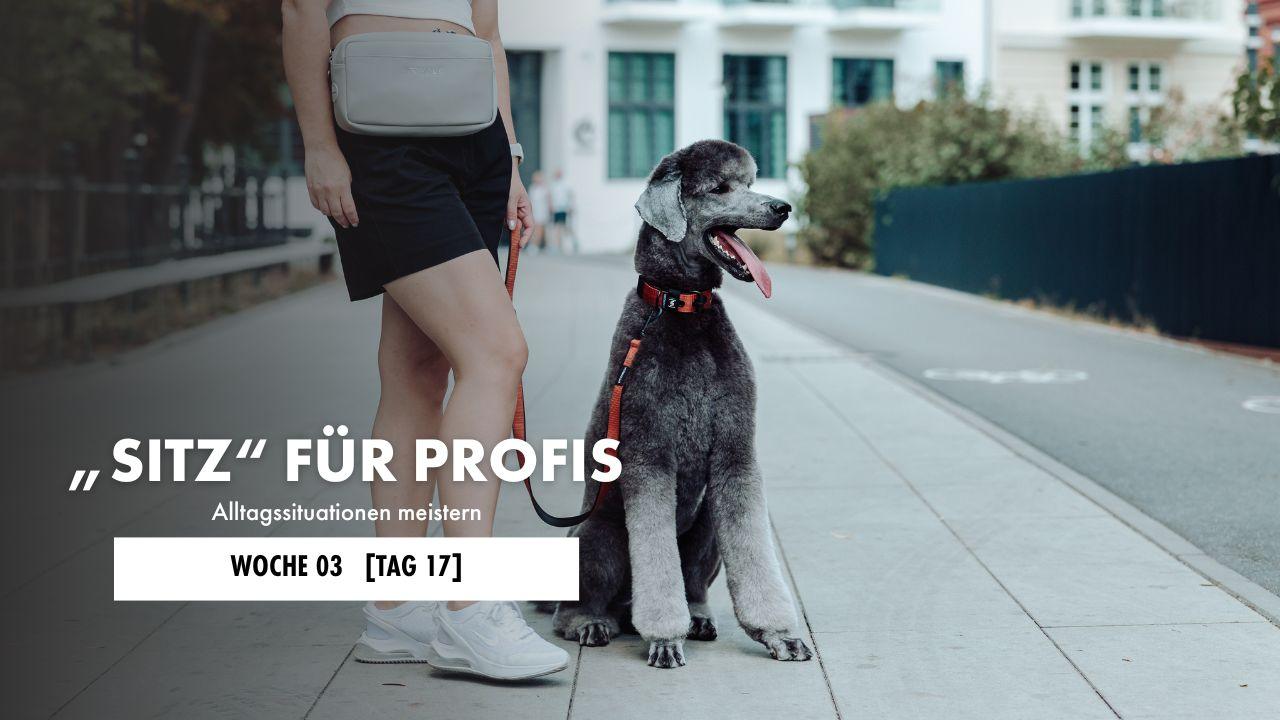
The "down" signal is an indispensable tool in a dog's everyday life. It not only teaches your dog to lie down, but also to stay calm and concentrate on you. In contrast to "sit", "down" goes deeper into impulse control, as your dog withdraws even more when lying down. This blog guides you through the first steps of teaching your dog to "sit" and consolidating it - an essential building block for a calm and relaxed relationship. Includes a free training plan!

Read moreabout "Space" for Beginners – The Foundation for Calm and Control

Hund liegt auf der Decke

"Seating" for Professionals – How to Handle Everyday Situations
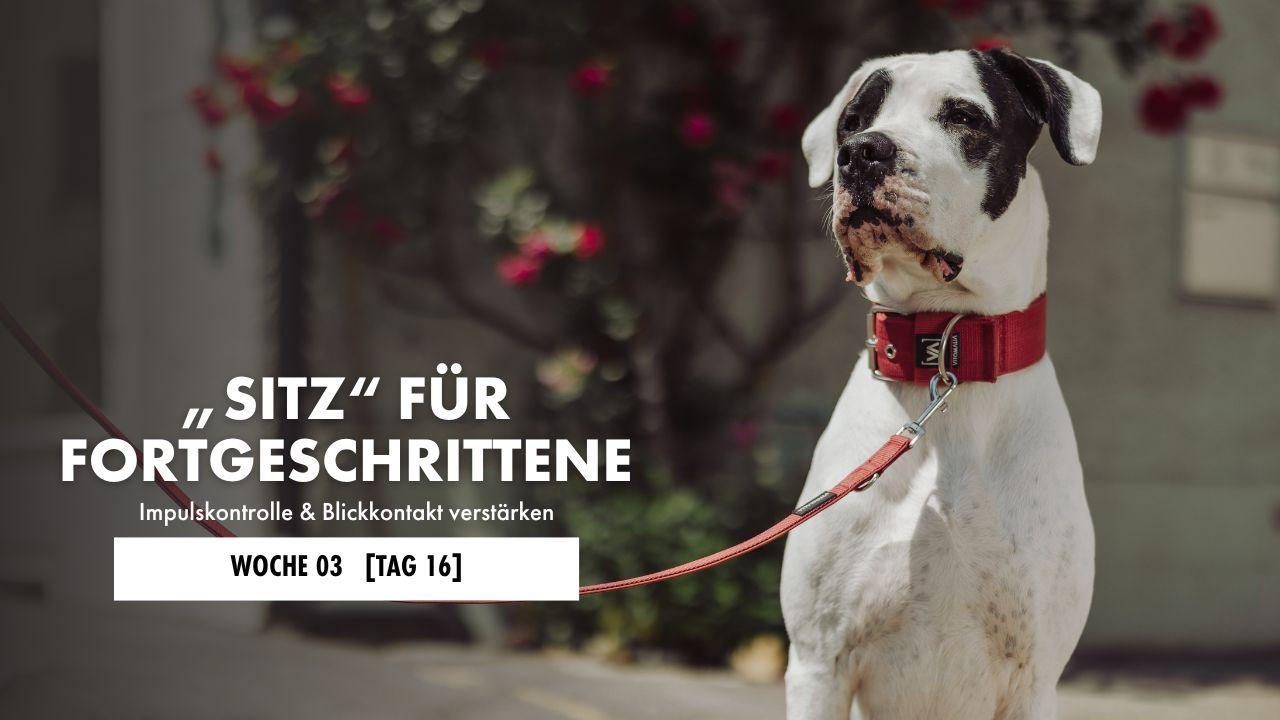
A perfect "sit" is not shown in calm moments, but in exciting and distracting situations. This blog is about how you can consolidate the "sit" signal even under strong external stimuli so that your dog reacts reliably in every situation. By setting clear goals and training step by step in various stages, you and your dog will reach a professional level. Includes a free training plan!

Read moreabout "Seating" for Professionals – How to Handle Everyday Situations

Hund liegt auf der Decke

“Sit” for Advanced Learners – Reinforcing Impulse Control and Eye Contact
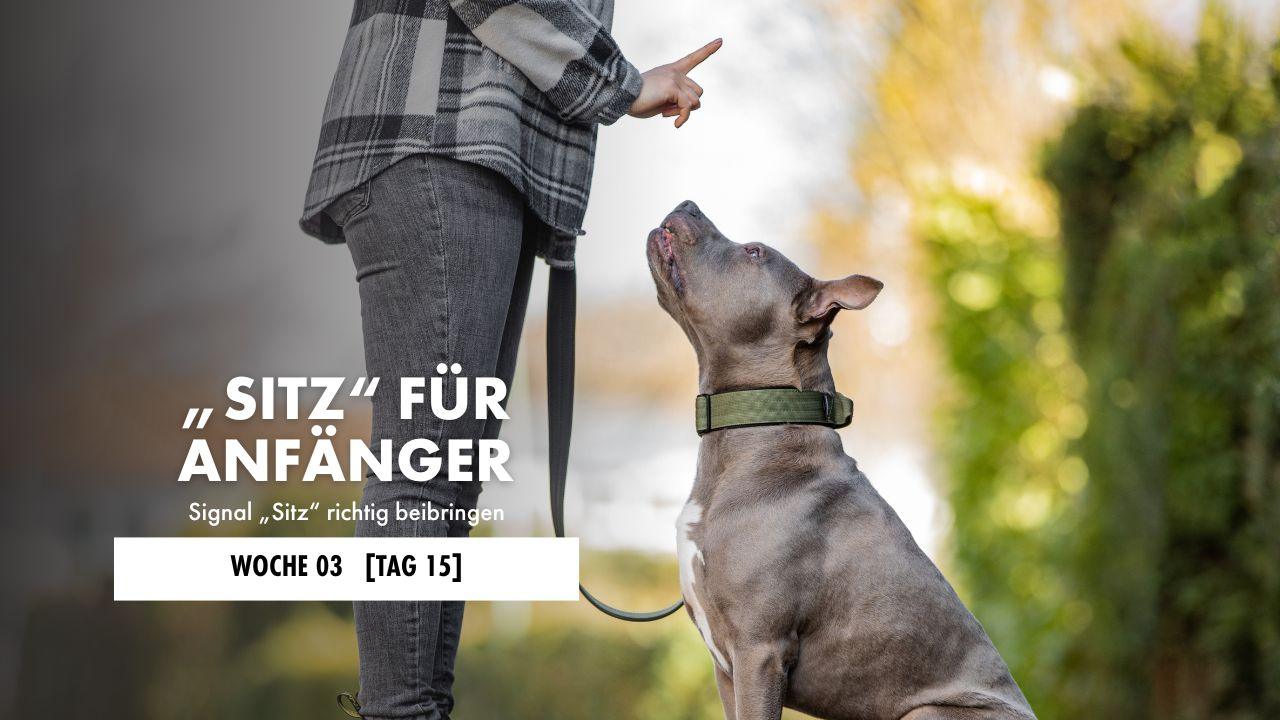
The "sit" signal is more than just a simple command. In the advanced version, you combine the sit-stay with eye contact to strengthen your dog's impulse control. This extension is particularly helpful in everyday situations such as feeding or on the road, where patience and concentration are required. In this blog, you will learn how to deepen the "sit" signal and use it reliably in different environments. Including a free training plan!

Read moreabout “Sit” for Advanced Learners – Reinforcing Impulse Control and Eye Contact

Hund liegt auf der Decke

"Sit" for Beginners – How to Teach Your Dog the "Sit" Command Correctly
"Sit" is one of the most basic signals in dog training and can be helpful in many everyday situations. It is easy to learn, offers a quick sense of achievement and gives you control over your dog in both calm and distracting environments. In this blog, we explain how to teach your dog the "sit" signal so that he can reliably obey it in any situation. Including a free training plan!

Read moreabout "Sit" for Beginners – How to Teach Your Dog the "Sit" Command Correctly

Hund liegt auf der Decke

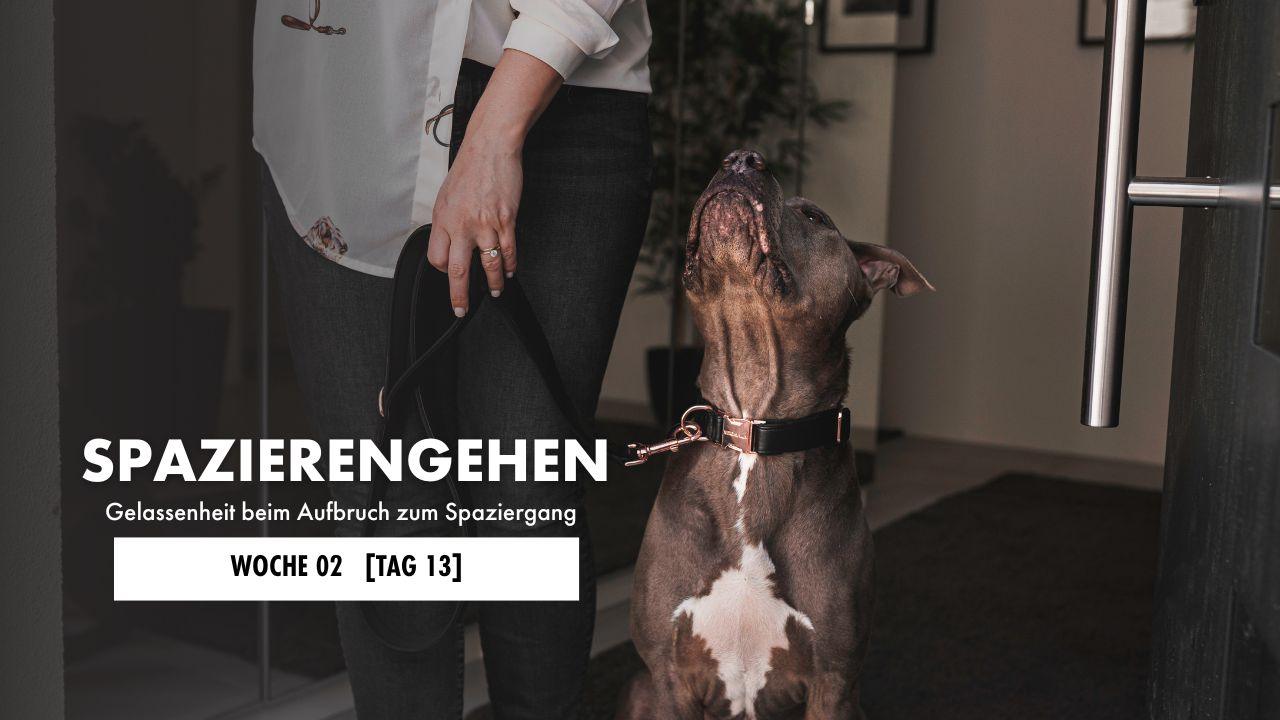
Going for a walk – Finding a sense of calm as you set out for a walk
Going for a walk is one of the most exciting activities for your dog. Many dog people unintentionally encourage this excitement by over-motivating the dog to go outside. However, this can lead to unnecessary stress and nervousness. In this blog, we explain how you can give your dog more calmness and composure through clear rituals when setting off for a walk to enable stress-free walking. Including a free training plan!

Read moreabout Going for a walk – Finding a sense of calm as you set out for a walk

Hund liegt auf der Decke

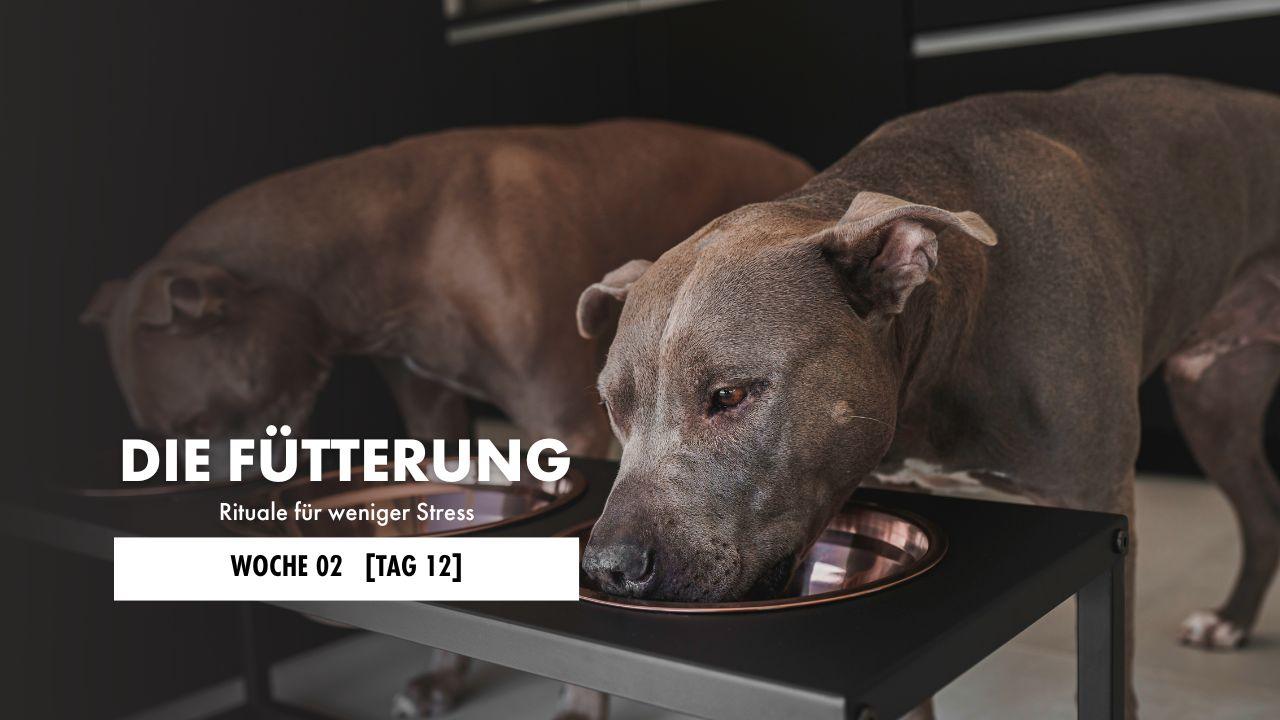
Feeding – Rituals for Stress-Free and Healthy Eat
Feeding is more than just providing your dog with food - it's a ritual that brings calm and structure to your dog's everyday life. In this blog, we explain why rituals are so important for your dog's well-being and how you can organise a safe, relaxed feeding session. You will learn how to avoid food aggression, build impulse control and show your dog that Eat is not just about survival, but also about trust and safety. With a free training plan for controlled feeding!

Read moreabout Feeding – Rituals for Stress-Free and Healthy Eat

Markersignal beim Hund mit Vitomalia

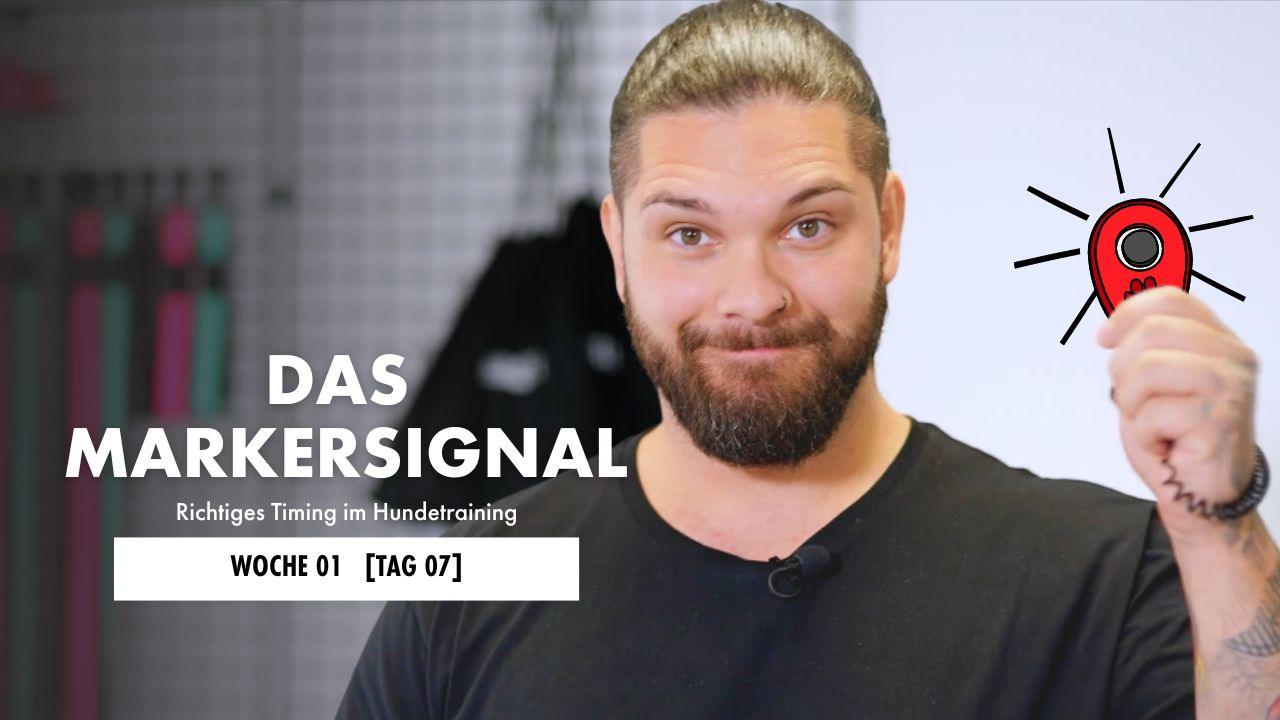
The Marker Signal – How to Improve Your Timing and Training with Your Dog

A marker signal helps you to get the timing right in dog training by precisely marking your dog's behaviour and announcing the reward. In this blog, we explain how to set up a marker signal correctly, why it is so important and how to use it effectively in everyday life. We also give you instructions on how to condition the marker signal and what the differences are to the clicker. Including a free training plan!

Read moreabout The Marker Signal – How to Improve Your Timing and Training with Your Dog